Posted in theology

Passion Week 2026: Holy Monday

By Elizabeth Prata

Today is Monday, March 30, 2026. It is the Monday after Psalm Sunday. On that Sunday so long ago, Jesus rode a colt of a donkey into Jerusalem and was hailed and blessed and exalted as a coming King. A deliverer. A Savior (of the Israelites).

He was, but not in the way the hallelujah-ing crowds thought. He came to die.

Holy Week is that period between Psalm Sunday and Resurrection Sunday. It is a period rightly somber, and many Christians meditate on the meaning of the different things Jesus did in His last week of life as humble servant, prophet, miracle worker. He walked, sometimes trudged, always clear eyed and willingly, toward that dark death promised Him before the worlds began.

He came to die. It is time to die.

The Gospels were not written chronologically so it is hard to exactly tell what Jesus did during that specific week. Tradition says this is the day He cursed the fig tree for its promise of fruit but failure to produce it. Or perhaps this is the day He cleansed the Temple. We can’t be dogmatic about specifics, but we can rightly ponder the great truths Jesus has taught during his life as Teacher (Rabboni). Who IS this Jesus, this Jesus who is promised to come again. This same Jesus who will come again. (Acts 1:11).

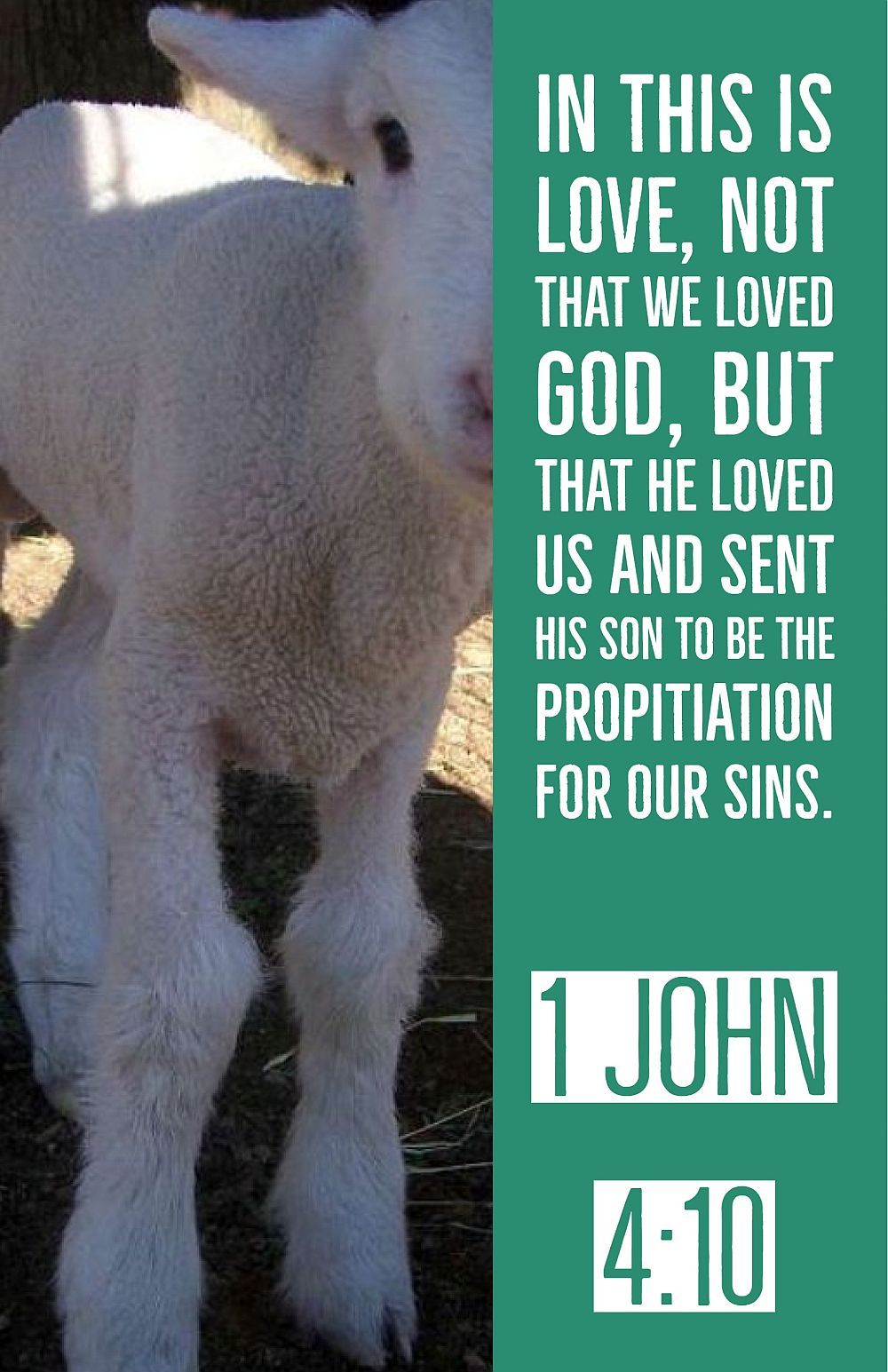
He came to die as propitiation for our sins.

He not only came to die, but He came to shed His blood in the dying. Jesus’s is a story that bears repeating and repeating and it never becomes boring. How could it?! As Spurgeon said in his sermon Christ Set Forth As A Propitiation, Spurgeon, Good Friday Morning, March 29, 1861:

“You will not reply that you have heard this story so often that you have grown weary of it, for well I know that with you, the Person, the Character, and the work of Christ are always fresh themes for wonder! We have seen the sea, some of us, hundreds of times, and what an abiding sameness there is in its deep green surface; but who ever called the sea monotonous? Traveling over it as the mariner does, sometimes by the year together, there is always a freshness in the undulation of the waves, the whiteness of the foam of the breaker, the curl of the crested billow, and the frolicsome pursuit of every wave by its long train of brothers. Which of us has ever complained that the sun gave us but little variety…”

So this is a week when we ponder the old, old story, as we do every week of the year.

Jesus was set forth as a sacrifice. He willingly came to do so. Spurgeon’s text is Romans 3:25-

whom God displayed publicly as a propitiation in His blood through faith. This was to demonstrate His righteousness, because in God’s merciful restraint He let the sins previously committed go unpunished; (Romans 3:25).

Spurgeon: “The words, “set forth,” in the original may signify, “foreordained;” but according to eminent critics, it has also in it the idea of setting forth as well as a “foreordaining.” Barnes says, “The word properly means to place in public view; to exhibit in a conspicuous situation, as goods are exhibited or exposed for sale, or as premiums or rewards of victory were exhibited to public view in the games of the Greeks.” So has God the Father set forth, manifested, made conspicuous the Person of the Lord Jesus as the Propitiation of sin.

Indeed. As the week progresses to its climax, we understand that Jesus’ suffering and death was made ‘a spectacle’ for all to view.

For now, He saw the crowds praising Him, knowing in a few days they would be cursing Him. Such is the fickle display of sinning hearts, crowds who became a spectacle themselves as spiritually worthless flunkies howling their hosannas which crumbled like dead leaves underfoot days later.

Spurgeon- “We should look to Christ, and look to Christ, alone, as the propitiation for our sins, and take care that our faith is simple, and fixed solely on his precious blood” that shall be shed in a mere few days.

And still Jesus pressed on.

More tomorrow.

God’s Promise concerning His Servant

1″Behold, My Servant, whom I uphold; My chosen one in whom My soul delights. I have put My Spirit upon Him; He will bring forth justice to the nations.
2″He will not cry out nor raise His voice, Nor make His voice heard in the street.
3″A bent reed He will not break off And a dimly burning wick He will not extinguish; He will faithfully bring forth justice.
4″He will not be disheartened or crushed Until He has established justice on the earth; And the coastlands will wait expectantly for His law.”
Isaiah 42:1-4
Posted in advent, theology

Advent, Thirty Days of Jesus: Day 14, Propitiation

By Elizabeth Prata

Propitiation. A hard word to pronounce…and a hard word to understand, but we have to try, since today’s verse of 1 John 4:10 says this is the reason God sent His son.

In this is love, not that we loved God, but that He loved us and sent His Son to be the propitiation for our sins. (1 John 4:10).

PROPITIATION: An offering that turns away the wrath of God directed against sin. According to the NT, God has provided the offering that removes the divine wrath, for in love the Father sent the Son to be the propitiation (or atoning sacrifice) for human sin (1 John 4:10). Source: Pocket dictionary of theological terms (1996).

by which it becomes consistent with his character and government to pardon and bless the sinner. The propitiation does not procure his love or make him loving; it only renders it consistent for him to exercise his love towards sinners. In Easton’s Illustrated Bible Dictionary. (1893)

The Easton’s definition uses the word ‘consistent’. God is able to do anything but it would not be consistent with His holy character to abandon his promise to punish wrongdoers for their sin. He could turn away His wrath by deciding to do so, but it would destroy His perfectly just nature to be inconsistent. No, God is consistent, Jesus Christ is the same yesterday and today, and forever. (Hebrews 13:8). “For I the Lord do not change; therefore you, O children of Jacob, are not consumed“. (Malachi 3:6).

So He sent His Son to be that sacrifice and absorb God’s wrath for our sins, though Christ was sinless.

thirty days of jesus day 14 propitiation

Further Reading

GotQuestions: What is Propitiation?
The word propitiation carries the basic idea of appeasement or satisfaction, specifically toward God. Propitiation is a two-part act that involves appeasing the wrath of an offended person and being reconciled to him.

Ligonier Ministries: What Do Expiation and Propitiation Mean?
Let’s think about what these words mean, then, beginning with the word expiation. The prefix ex means “out of” or “from,” so expiation has to do with removing something or taking something away. In biblical terms, it has to do with taking away guilt through the payment of a penalty or the offering of an atonement. By contrast, propitiation has to do with the object of the expiation.

Bible Hub Topical Bible- Propitiation
That by which God is rendered propitious, i.e., by which it becomes consistent with his character and government to pardon and bless the sinner. The propitiation does not procure his love or make him loving; it only renders it consistent for him to execise his love towards sinners.

Posted in advent, theology

Advent, Thirty Days of Jesus: Day 14, Propitiation

By Elizabeth Prata

Propitiation. A hard word to pronounce…and a hard word to understand, but we have to try, since the verse says this is the reason God sent His son.

An offering that turns away the wrath of God directed against sin. According to the NT, God has provided the offering that removes the divine wrath, for in love the Father sent the Son to be the propitiation (or atoning sacrifice) for human sin (1 John 4:10). Source: Pocket dictionary of theological terms (1996).

by which it becomes consistent with his character and government to pardon and bless the sinner. The propitiation does not procure his love or make him loving; it only renders it consistent for him to exercise his love towards sinners. In Easton’s Illustrated Bible Dictionary. (1893)

The Easton’s definition uses the word ‘consistent’. God is able to do anything but it would not be consistent with His holy character to abandon his promise to punish wrongdoers for their sin. He could turn away His wrath by deciding to do so, but it would destroy His perfectly just nature to be inconsistent. No, God is consistent, Jesus Christ is the same yesterday and today, and forever. (Hebrews 13:8). “For I the Lord do not change; therefore you, O children of Jacob, are not consumed“. (Malachi 3:6).

So He sent His Son to be that sacrifice and absorb God’s wrath for our sins, though Christ was sinless.

thirty days of jesus day 14 propitiation

Further Reading

GotQuestions: What is Propitiation?
The word propitiation carries the basic idea of appeasement or satisfaction, specifically toward God. Propitiation is a two-part act that involves appeasing the wrath of an offended person and being reconciled to him.

Ligonier Ministries: What Do Expiation and Propitiation Mean?
Let’s think about what these words mean, then, beginning with the word expiation. The prefix ex means “out of” or “from,” so expiation has to do with removing something or taking something away. In biblical terms, it has to do with taking away guilt through the payment of a penalty or the offering of an atonement. By contrast, propitiation has to do with the object of the expiation.

Bible Hub Topical Bible- Propitiation
That by which God is rendered propitious, i.e., by which it becomes consistent with his character and government to pardon and bless the sinner. The propitiation does not procure his love or make him loving; it only renders it consistent for him to execise his love towards sinners.

Posted in advent, theology

Advent, Thirty Days of Jesus: Day 14, Propitiation

By Elizabeth Prata

Propitiation. A hard word to pronounce…and a hard word to understand, but we have to try, since the verse says this is the reason God sent His son.

An offering that turns away the wrath of God directed against sin. According to the NT, God has provided the offering that removes the divine wrath, for in love the Father sent the Son to be the propitiation (or atoning sacrifice) for human sin (1 John 4:10). Pocket dictionary of theological terms (1996).

by which it becomes consistent with his character and government to pardon and bless the sinner. The propitiation does not procure his love or make him loving; it only renders it consistent for him to exercise his love towards sinners. In Easton’s Illustrated Bible Dictionary. (1893)

The Easton’s definition uses the word ‘consistent’. God is able to do anything but it would not be consistent with His holy character to abandon his promise to punish wrongdoers for their sin. He could turn away His wrath by deciding to do so, but it would destroy His perfectly just nature to be inconsistent. No, God is consistent, Jesus Christ is the same yesterday and today, and forever. (Hebrews 13:8). “For I the Lord do not change; therefore you, O children of Jacob, are not consumed“. (Malachi 3:6).

So He sent His Son to be that sacrifice and absorb God’s wrath for our sins, though Christ was sinless.

thirty days of jesus day 14 propitiation

Further Reading

GotQuestions: What is Propitiation?
The word propitiation carries the basic idea of appeasement or satisfaction, specifically toward God. Propitiation is a two-part act that involves appeasing the wrath of an offended person and being reconciled to him.

Ligonier Ministries: What Do Expiation and Propitiation Mean?
Let‘s think about what these words mean, then, beginning with the word expiation. The prefix ex means “out of” or “from,” so expiation has to do with removing something or taking something away. In biblical terms, it has to do with taking away guilt through the payment of a penalty or the offering of an atonement. By contrast, propitiation has to do with the object of the expiation.

Bible Hub Topical Bible- Propitiation
That by which God is rendered propitious, i.e., by which it becomes consistent with his character and government to pardon and bless the sinner. The propitiation does not procure his love or make him loving; it only renders it consistent for him to execise his love towards sinners.

~~~~~~~~~~~~~~~~~~~~~~~~~~~~

Thirty Days of Jesus Series-

Introduction/Background
Day 1: The Virgin shall conceive
Day 2: A shoot from Jesse
Day 3: God sent His Son in the fullness of time
Day 4:  Marry her, she will bear a Son

Day 5: The Babe has arrived!
Day 6: The Glory of Jesus
Day 7: Magi seek the Child
Day 8: The Magi Offer gifts & worship

Day 9: The Child Grew
Day 10- the Boy Jesus at the Temple
Day 11: He was Obedient
Day 12: The Son!
Day 13: God is pleased with His Son

Posted in advent, theology

Advent, Thirty Days of Jesus: Day 14, Propitiation

By Elizabeth Prata

Propitiation. A hard word to pronounce…and a hard word to understand, but we have to try, since the verse says this is the reason God sent His son.

that by which God is rendered propitious, i.e., by which it becomes consistent with his character and government to pardon and bless the sinner. The propitiation does not procure his love or make him loving; it only renders it consistent for him to exercise his love towards sinners. In Easton’s Illustrated Bible Dictionary. (1893)

An offering that turns away the wrath of God directed against sin. According to the NT, God has provided the offering that removes the divine wrath, for in love the Father sent the Son to be the propitiation (or atoning sacrifice) for human sin (1 John 4:10). Pocket dictionary of theological terms (1996).

The Easton’s definition uses the word ‘consistent’. God is able to do anything but it would not be consistent with His holy character to abandon his promise to punish wrongdoers for their sin. He could turn away His wrath by deciding to do so, but it would destroy His perfectly just nature to be capricious. No, God is consistent, Jesus Christ is the same yesterday and today, and forever. (Hebrews 13:8). “For I the Lord do not change; therefore you, O children of Jacob, are not consumed“. (Malachi 3:6).

So He sent His Son to be that sacrifice and absorb God’s wrath for our sins, though Christ was sinless.

thirty days of jesus day 14 propitiation

Further Reading

GotQuestions: What is Propitiation?
The word propitiation carries the basic idea of appeasement or satisfaction, specifically toward God. Propitiation is a two-part act that involves appeasing the wrath of an offended person and being reconciled to him.

Ligonier Ministries: What Do Expiation and Propitiation Mean?
Let‘s think about what these words mean, then, beginning with the word expiation. The prefix ex means “out of” or “from,” so expiation has to do with removing something or taking something away. In biblical terms, it has to do with taking away guilt through the payment of a penalty or the offering of an atonement. By contrast, propitiation has to do with the object of the expiation.

Bible Hub Topical Bible- Propitiation
That by which God is rendered propitious, i.e., by which it becomes consistent with his character and government to pardon and bless the sinner. The propitiation does not procure his love or make him loving; it only renders it consistent for him to execise his love towards sinners.

~~~~~~~~~~~~~~~~~~~~~~~~~~~~

Thirty Days of Jesus Series-

Introduction/Background
Day 1: The Virgin shall conceive
Day 2: A shoot from Jesse
Day 3: God sent His Son in the fullness of time
Day 4:  Marry her, she will bear a Son
Day 5: The Babe has arrived!
Day 6: The Glory of Jesus
Day 7: Magi seek the Child
Day 8: The Magi Offer gifts & worship

Day 9: The Child Grew
Day 10- the Boy Jesus at the Temple
Day 11: He was Obedient
Day 12: The Son!
Day 13: God is Pleased with His Son

Posted in advent, theology

Advent, Thirty Days of Jesus: Day 14, Propitiation

By Elizabeth Prata

Propitiation. A hard word to pronounce…and a hard word to understand, but we have to try, since the verse says this is the reason God sent His son.

that by which God is rendered propitious, i.e., by which it becomes consistent with his character and government to pardon and bless the sinner. The propitiation does not procure his love or make him loving; it only renders it consistent for him to exercise his love towards sinners. In Easton’s Illustrated Bible Dictionary. (1893)

An offering that turns away the wrath of God directed against sin. According to the NT, God has provided the offering that removes the divine wrath, for in love the Father sent the Son to be the propitiation (or atoning sacrifice) for human sin (1 John 4:10). Pocket dictionary of theological terms (1996).

The Easton’s definition uses the word ‘consistent’. God is able to do anything but it would not be consistent with His holy character to abandon his promise to punish wrongdoers for their sin. He could turn away His wrath by deciding to do so, but it would destroy His perfectly just nature to be capricious. No, God is consistent, Jesus Christ is the same yesterday and today, and forever. (Hebrews 13:8). “For I the Lord do not change; therefore you, O children of Jacob, are not consumed“. (Malachi 3:6).

So He sent His Son to be that sacrifice and absorb God’s wrath for our sins, though Christ was sinless.

thirty days of jesus day 14 propitiation

Further Reading

GotQuestions: What is Propitiation?

Ligonier Ministries: What Do Expiation and Propitiation Mean?

Bible Hub Topical Bible- Propitiation

~~~~~~~~~~~~~~~~~~~~~~~~~~~~

Thirty Days of Jesus Series-

Introduction/Background
Day 1: The Virgin shall conceive
Day 2: A shoot from Jesse
Day 3: God sent His Son in the fullness of time
Day 4:  Marry her, she will bear a Son

Day 5: The Babe has arrived!
Day 6: The Glory of Jesus
Day 7: Magi seek the Child
Day 8: The Magi offer gifts & worship
Day 9: The Child Grew
Day 10: The boy Jesus at the Temple
Day 11: He was Obedient!
Day 12: The Son!
Day 13: God is pleased with His Son

Posted in advent, theology

Advent, Thirty Days of Jesus: Day 14, Propitiation

By Elizabeth Prata

thirty days of jesus day 14 propitiation

Further Reading

GotQuestions: What is Propitiation?

Ligonier Ministries: What Do Expiation and Propitiation Mean?

Bible Hub Topical Bible- Propitiation

~~~~~~~~~~~~~~~~~~~~~~~~~~~~

Thirty Days of Jesus Series-

Introduction/Background
Day 1: The Virgin shall conceive
Day 2: A shoot from Jesse
Day 3: God sent His Son in the fullness of time
Day 4:  Marry her, she will bear a Son

Day 5: The Babe has arrived!
Day 6: The Glory of Jesus
Day 7: Magi seek the Child
Day 8: The Magi offer gifts & worship
Day 9: The Child Grew
Day 10: The boy Jesus at the Temple
Day 11: He was Obedient!
Day 12: The Son!
Day 13: God is pleased with His Son

Posted in advent, theology

Thirty Days of Jesus Repeat: Day 14, Propitiation

By Elizabeth Prata

thirty days of jesus day 14 propitiation

Further Reading

GotQuestions: What is Propitiation?

Ligonier Ministries: What Do Expiation and Propitiation Mean?

Bible Hub Topical Bible- Propitiation

~~~~~~~~~~~~~~~~~~~~~~~~~~~~

Thirty Days of Jesus Series-

Introduction/Background
Day 1: The Virgin shall conceive
Day 2: A shoot from Jesse
Day 3: God sent His Son in the fullness of time
Day 4:  Marry her, she will bear a Son

Day 5: The Babe has arrived!
Day 6: The Glory of Jesus
Day 7: Magi seek the Child
Day 8: The Magi offer gifts & worship
Day 9: The Child Grew
Day 10: The boy Jesus at the Temple
Day 11: He was Obedient!
Day 12: The Son!
Day 13: God is pleased with His Son

Posted in theology

Propitiation: A Stunning Method to Bring the Son a Bride

By Elizabeth Prata

From John MacArthur et al Biblical Doctrine

Propitiation: Scripture represents Christ’s death not merely as a sacrifice, but as a propitiatory sacrifice. That is to say, by receiving the full exercise of the father’s wrath against the sins of his people, Christ satisfied God’s righteous anger against sin and thus turned away his wrath from us who, had it not been for our substitute, were bound to suffer for it ourselves. The New Testament explicitly identifies Christ’s work as a propitiation in 4 texts:

Romans 3:24-25, being justified as a gift by His grace through the redemption which is in Christ Jesus; 25 whom God displayed publicly as a propitiation in His blood through faith. This was to demonstrate His righteousness, because in the forbearance of God He passed over the sins previously committed;

Hebrews 2:17, Therefore, He had to be made like His brethren in all things, so that He might become a merciful and faithful high priest in things pertaining to God, to make propitiation for the sins of the people.

1 John 2:2, and He Himself is the propitiation for our sins; and not for ours only, but also for those of the whole world.

1 John 4:10,  In this is love, not that we loved God, but that He loved us and sent His Son to be the propitiation for our sins.

This alone is enough to render me stunned into a permanent and deep gratitude for God’s grace in saving me from His wrath. And propitiation is but one benefit of his salvation. He gives so many benefits to the called; justification, adoption, love, family, ministry to do on earth and to receive from Jesus from heaven, sanctification, glorification, fellowship with Him, prayers that are heard … I could go on, the benefits of salvation are numerous and eternal.

Propitiation…a staggering method to ensure a Bride for God’s Son. No human could have conceived of this, no man could have made this up. It’s all contained in God’s word. Read your Bible today.

propitiation

Posted in encouragement, Uncategorized

Thirty Days of Jesus Redux: Day 14, Propitiation

By Elizabeth Prata

thirty days of jesus day 14 propitiation

Further Reading

GotQuestions: What is Propitiation?

Ligonier Ministries: What Do Expiation and Propitiation Mean?

Bible Hub Topical Bible- Propitiation

~~~~~~~~~~~~~~~~~~~~~~~~~~~~

Thirty Days of Jesus Series-

Introduction/Background
Day 1: The Virgin shall conceive
Day 2: A shoot from Jesse
Day 3: God sent His Son in the fullness of time
Day 4:  Marry her, she will bear a Son

Day 5: The Babe has arrived!
Day 6: The Glory of Jesus
Day 7: Magi seek the Child
Day 8: The Magi offer gifts & worship
Day 9: The Child Grew
Day 10: The boy Jesus at the Temple
Day 11: He was Obedient!
Day 12: The Son!
Day 13: God is pleased with His Son