By Elizabeth Prata
Jeremiah 10 is a powerful chapter. Vivid, clear, convicting. This verse at Jeremiah 10:22 caught my attention-
The sound of a report! Behold, it is coming— A great roar from the land of the north— To make the cities of Judah a desolation, a haunt of jackals.
We frequently read in the Old Testament that God is promising or threatening to make a certain city or region desolate. Sometimes we read it is ‘laid waste’. In Jeremiah 34:22 we read, “and I will make the cities of Judah a desolation, without inhabitant.”
Ezekiel 12:20
The inhabited cities will be laid waste, and the land will become desolate. Then you will know that I am the LORD.’”
Jeremiah 9:11
And I will make Jerusalem a heap of rubble, a haunt for jackals; and I will make the cities of Judah a desolation, without inhabitant.
Isaiah 34:13
Her towers will be overgrown with thorns, her fortresses with thistles and briers. She will become a haunt for jackals, an abode for ostriches.
When I read verses like that my mind envisions places like Death Valley; hot, deserted, lone tumbleweeds rolling through, the piercing cry of a hawk looking for food.
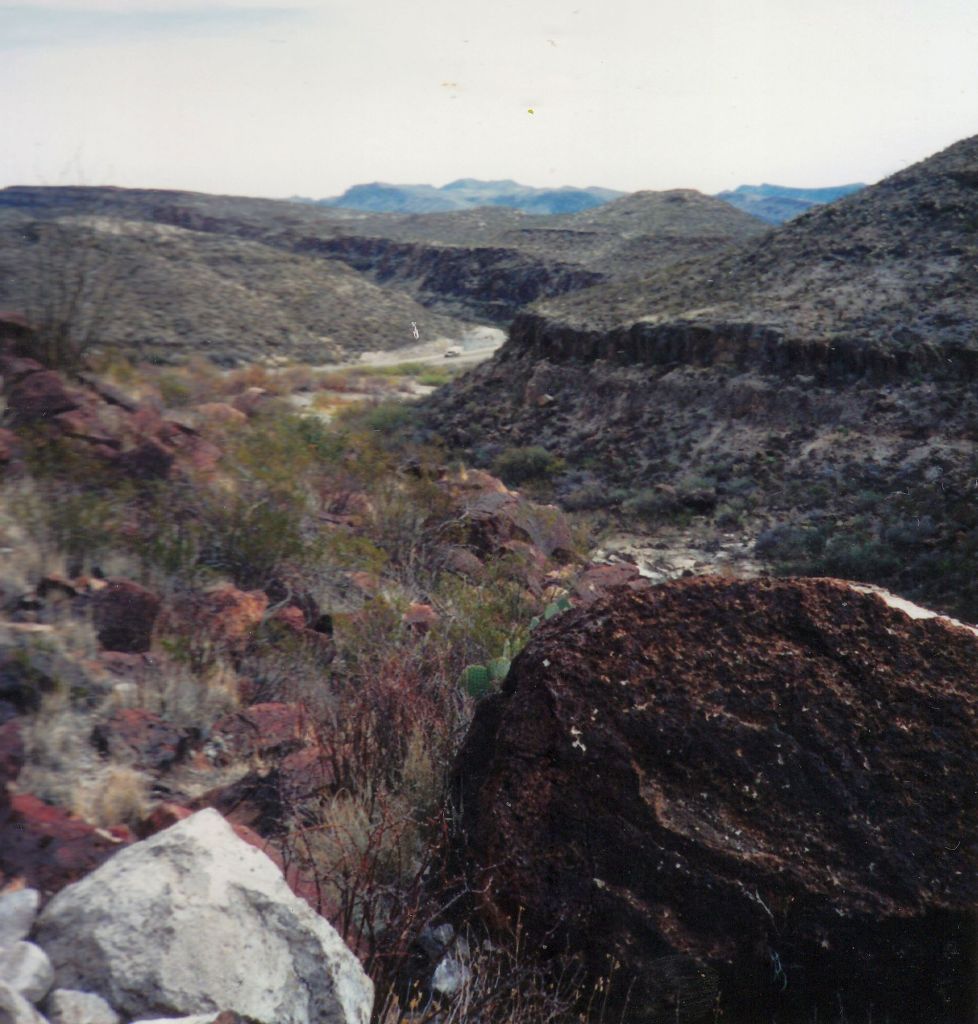
But it also occurred to me that when the Lord promises destruction to the point of wasted emptiness, it could also a mirror for the spiritual condition of the People.
I wondered…so I looked it up. Yes, the condition of the Land is also a symbol for the spiritual waste of the people.
ALL below is from from this ‘Topical Bible’ link–
The concept of the devastation of the land is a recurring theme throughout the Bible, often serving as a manifestation of divine judgment or a consequence of human sinfulness. This theme is woven into the narrative of Israel’s history, prophetic literature, and apocalyptic visions, reflecting the covenantal relationship between God and His people.
Old Testament Context
In the Old Testament, the devastation of the land is frequently depicted as a direct result of Israel’s disobedience to God’s commandments. The land, which was promised to the descendants of Abraham, Isaac, and Jacob, is portrayed as a gift contingent upon the people’s faithfulness. In Leviticus 26:32-33, God warns, “And I will lay waste the land, so that your enemies who dwell in it will be appalled. But I will scatter you among the nations, and I will draw out a sword after you, and your land will become desolate and your cities will become waste.”
The prophetic books often echo this theme, with prophets like Isaiah, Jeremiah, and Ezekiel foretelling the desolation that would come upon the land due to the people’s idolatry and injustice. Isaiah 24:3-4 states, “The earth will be utterly laid waste and thoroughly plundered. For the LORD has spoken this word. The earth mourns and withers; the world languishes and withers; the exalted of the earth waste away.”
Theological implications
The devastation of the land serves as a powerful reminder of the consequences of sin and the seriousness of God’s covenant with His people. It underscores the biblical principle that the physical world is deeply interconnected with spiritual realities.
The land’s condition often mirrors the spiritual state of its inhabitants, reflecting the broader biblical narrative of creation, fall, redemption, and restoration. –end Topical Bible. Bold mine.
It would be interesting if we were able to see our spiritual condition. God can. He knows us inside out- literally. He loves us anyway. But if we were to see ourselves, our true spiritual condition, we’d faint. Even with the Holy Spirit given to us as the indwelling deposit, there is plenty of sin left over to make us run away in horror.
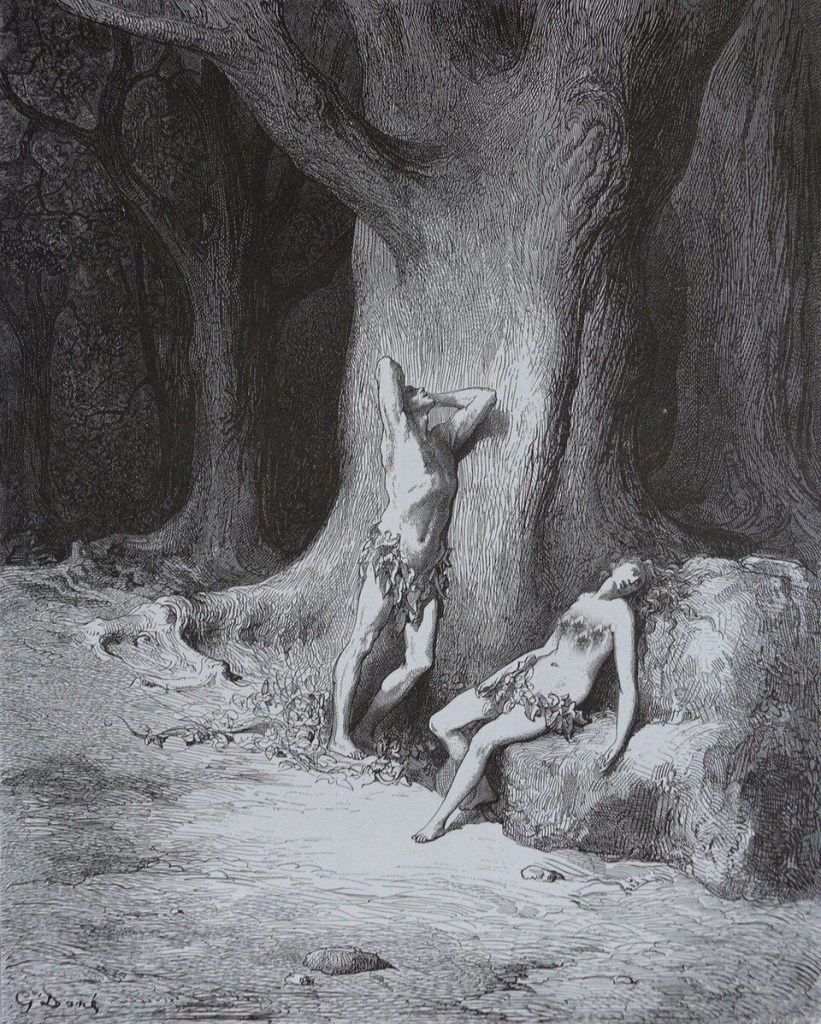
“They sat them down to weep; nor only tears Rained at their eyes, but high winds worse within Began to rise, high passions, anger, hate,”
Anything we do that is not for God’s glory is a wasteland. Paul used the words rotten garbage, refuse, rubbish in Philippians 3:8 when referring to works done in the flesh. Just how nasty our sins, idols, and blasphemies are likely is beyond our comprehension.
Instead let the symbol for our interior spiritual life be a lush, Edenic garden, full of a variety of flowers, pleasing aromas, and verdant landscapes. That landscape is where we began before the Fall. It is where we will finish on the New Earth. Meanwhile, plant beautiful flowers in your soul. Praise the Lord, read His word, pray to Him, cultivate the soul as the lush landscape it can be, and avoid the wasteland.


Thanking you again, dear Elizabeth.
LikeLike