By Elizabeth Prata

Like many others, I read the Bible in a year through an annual Bible Reading Plan. I am currently using the John MacArthur Daily Bible. And like many others, I find Leviticus hard to get through. I become confused with all the sacrifices. I think about the burdensome level of the priestly work, the relentlessness of the People needing to know and perform the offerings…it’s a bit much. I needed to sort through these once and for all.
A friend sent me a link to a sermon she had heard at Grace Community Church in the Sundays in July series held there. It’s by Abner Chou and he preaches a survey of the difficult books of the Old Testament, including Leviticus. I found this very helpful. I’ll link to it here, it is called “The Road Less Traveled“. I summarize part of it below. These are near quotes but not total quotes.
From Abner Chou: ‘There are 5 major sacrifices presented in the book of Leviticus and 3 of them are not for sin. That means only 2 are for sin. What are the other 3 for? They are for worship. These 5 sacrifices then mix and match in different combinations for the purpose of theology. So if you understand the underlying theology of these 5 you’ve got the theology behind all of them’.
Mainly, Leviticus is about God’s holiness.
- Burnt offering. The whole offering is burned, representing our desire to wholly offer ourselves to God. It represents Dedication.
- Grain offering. Grain was commonly cultivated and represents how God took care of them and provided, so it is for thanks. It represents Thanksgiving.
- Peace offering. (Fellowship offering). Thanking God that we have a relationship with Him. This sacrifice represents Fellowship.
- Sin offering, it’s about Sin.
- Guilt offering. Different from sin offering because it includes times when restitution has to be made. It involves times when repentance deals with how you sinned against God or your neighbor in a way that has injured them, and part of repentance is making that right in an economic fashion. (In Isaiah 53:10 we read Jesus offered himself as a guilt offering, and this is because He dealt with sin AND its consequences on the cross).
“While other Old Testament sacrifices focused on specific aspects of redemption—the burnt offering on self-surrender, the sin offering on guilt removal—the guilt offering uniquely emphasized restitution and the restoration of what sin had damaged,” says Don K. Campbell, “Sacrifice,” in The Theological Wordbook, ed. Charles R. Swindoll and Roy B. Zuck (Nashville, TN: Word Publishing, Inc., 2000), 311–312.
Back to Chou from his sermon: ‘The sacrifices show “the way we become holy must be holy”. We can’t just do the sacrifices any which way we want; we can’t go about salvation any which way I want, it has to be done God’s way and it has to satisfy HIM. And He has a standard. The example is Nadab and Abihu killed for offering strange fire. What is strange fire? It’s fire that deviates in any fashion from what God prescribes. They were supposed to mix the incense and ingredients in a certain way through certain steps. Any one that is off or different makes it strange. If you don’t offer the right sacrifice, you become the sacrifice.”‘
I also used my Logos Software to look up the offerings. Here is a short summary and the addresses for each of the 5 main offerings mentioned above:
Burnt: Lev. 9:2. Its purpose was to make an atonement for sin, Lev. 1:4; 7. Ordinances concerning, Ex. 29:15–18; Lev. 1; 5:7–10; 6:9–13; 17:8, 9; 23:18, 26–37; Num. 15:24, 25; 19:9; 28:26–31; 29. Accompanied by other offerings, Num. 15:3–16. Skins of, belonged to priests, Lev. 7:8. Offered daily, morning and evening, Gen. 15:17; Ex. 29:38–42; Lev. 6:20; Num. 28; 29:6; 1 Chr. 16:40; 2 Chr. 2:4; 13:11; Ezra 3:3; Ezek. 46:13–15. Music with, Num. 10:10.
Grain: The grain offering in ancient Israel functioned primarily as an act of worship and dedication rather than atonement. Unlike sacrifices that addressed sin, the grain offering’s purpose centered on worship, allowing Israelites to express their relationship with God through voluntary giving.
Peace: Laws concerning, Ex. 29:19–22, 31; Lev. 7:11–15, 18; 9:3, 4, 15–21; 23:19; Num. 6:14; 10:10.
Sin: Ordinances concerning, Ex. 29:10–14 with Heb. 13:11–13; Lev. 4; 5; 6:1–7, 26–30; 9:1–21; 12:6–8; 14:19, 22, 31; 15:30; 23:19; Num. 6:10, 11, 14, 16; 8:8, 12; 15:27; 28:15, 22–24, 30; 29:5, 6, 11, 16–38. Temporary, Dan. 11:31; Heb. 9, 10.
Trespass: (AKA in certain translations the Guilt Offering). Ordinances concerning, Lev. 5; 6:1–7; 7:1–7; 14:10–22; 15:15, 29, 30; 19:21, 22; Num. 6:12; Ezra 10:19. To be eaten by the priests, Lev. 7:6, 7; 14:13; Num. 18:9, 10. Offered by idolaters, 1 Sam. 6:3, 8, 17, 18. See SIN OFFERING, above.
Here are other offerings mentioned in Leviticus-
Vow: Lev. 7:16, 17; 22:17–25; Deut. 23:21–23.
Wave: Placed in the hand of the priest and waved before the Lord. Ordinances concerning, Ex. 29:22, 26–28; Lev. 7:29–34; 8:25–29; 9:19–21; 10:14, 15; 23:10, 11, 17–20; Num. 5:25; 6:19, 20. Belonged to the priests, Ex. 29:26–28; Lev. 7:31, 34; 8:29; 9:21; 23:20; Num. 18:11, 18. To be eaten, Lev. 10:14, 15; Num. 18:11, 18, 19, 31.
Wood: Fuel for the temple, Neh. 10:34; 13:31.
Thank: Ordinances concerning, Lev. 7:11–15; 22:29; Deut. 12:11, 12.
Drink: Libations of wine offered with the sacrifices, Gen. 35:14; Ex. 29:40, 41; 30:9; Lev. 23:13, 18; Num. 6:17; 15:24; 28:5–15, 24–31; 29:6–11, 18–40; 2 Kin. 16:13; 1 Chr. 29:21; 2 Chr. 29:35; Ezra 7:17.
Free Will: Must be perfect, Lev. 22:17–25. To be eaten by priests, Lev. 7:11–18. With meal and drink offerings, Num. 15:1–16. Obligatory when signified in a vow, Deut. 16:10; 23:23.
Heave: Given to the priests’ families as part of their emoluments, Lev. 10:14; Num. 5:9; 18:10–19, 24. Consecrated by being elevated by the priest, Ex. 29:27. Consisted of the right thigh or hind quarter, Ex. 29:27, 28; Lev. 7:12–14, 32, 34; 10:15; spoils, including captives and other articles of war, Num. 31:29, 41. When offered, Lev. 7:12–14; Num. 6:20; 15:19–21. In certain instances this offering was brought to the tabernacle, or temple, Deut. 12:6, 11, 17, 18. To be offered on taking possession of the land of Canaan, Num. 15:18–21.
Meal (or Meat): Ordinances concerning, Ex. 29:40, 41; 30:9; 40:29; Lev. 2; 5:11, 12; 6:14–23; 7:9–13, 37; 9:17; 23:13, 16, 17; Num. 4:16; 5:15, 18, 25, 26; 8:8; 15:1–16, 24; 18:9; 28:5, 9, 12, 13, 20, 21, 26–31; 29:3, 4, 14. To be eaten in the holy place, Lev. 10:13; Num. 18:9, 10. Offered with the sacrifices, Num. 15:3–16. Not mixed with leaven, Lev. 2:4, 11; 6:14–18; 10:12, 13; Num. 6:15, 17. Storerooms for, in the temple reconstructed by Ezra, Neh. 12:44; 13:5, 6; provided for in the vision of Ezekiel, Ezek. 42:13.
Special Sacrifices: In consecration of the altar, see ALTAR; of priests, see PRIESTS; of the temple, see TEMPLE, DEDICATION OF; for leprosy, see LEPROSY; for defilement, see DEFILEMENT.
Animal Sacrifices: A type of Christ, Psa. 40:6–8, with Heb. 10:1–14; Isa. 53:11, 12, with Lev. 16:21; John 1:29; 1 Cor. 5:7; 2 Cor. 5:21; Eph. 5:2; Heb. 9:19–28; 10:1, 11, 12; 13:11–13; Rev. 5:6.
Jesus warned that any sacrifice whether Old Testament or New testament is worthless if unaccompanied by repentance. Rote offerings without the heart involved are rejected:
Unavailing When not Accompanied by Piety: 1 Sam. 15:22; Psa. 40:6; Psa. 50:8–14; Psa. 51:16, 17; Prov. 21:3, 27; Isa. 1:11–14; Isa. 40:16; Isa. 66:3; Jer. 6:20; Jer. 7:21–23; Jer. 14:12; Hos. 6:6; Hos. 8:13; Amos 5:21–24; Mic. 6:6–8; Mark 12:33
Swanson, J., & Nave, O. (1994). New Nave’s Topical Bible. Logos Research Systems.
My overwhelming thoughts as I read through Leviticus are several: Blood-blood-blood. It definitely makes us remember the verse in Hebrews 9:22, “And almost all things are cleansed with blood, according to the Law, and without the shedding of blood there is no forgiveness.”
Holy-holy-holy- as we read through this book we should have a solid understanding about how holy God is- and how UNholy we are.
It makes me think of how burdensome it was to attempt to atone for sins through endless sacrifices, which of course makes us value and understand the necessity of Jesus to make a once-for-all sacrifice (of Himself!) for our sins AND to declare us righteous through His imputed righteousness. If you watch a lot of cops videos or court TV we understand the recidivism rate is high. We may be declared innocent, or not guilty in court, but then how many people turn right around and go sin/break the law again?
As Chou mentioned there was a once-a-year reset on the Day of Atonement, but if you sinned the next day, what then?
Leviticus makes me grateful. The Lord saw fit to knit me in my mother’s womb in 1960 AD and not 960 BC when I would be under the Law in Solomon’s time.
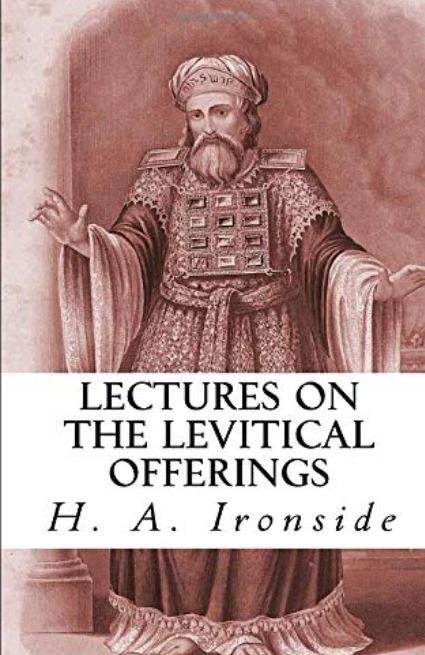
As HA Ironside wrote in his 1929 book “Lectures on the Levitical Offerings, “He had been so continually misrepresented by the first man to whom He had committed lordship over the earth, and by all his descendants, that it was necessary that some man should be found who would live in this scene wholly to His glory. God’s character must be vindicated; and the Lord Jesus Christ, the Second Man, the Lord from heaven, was the only one who could do that.“
Praise God he sent His Son to atone for us and impute His righteousness unto us! Jesus FULLY glorified God. Our blessing is that if we repent and submit to Him, we will be saved.


 the-end-time.org