By Elizabeth Prata
I realize I am writing this on a digital platform to be published on digital media.
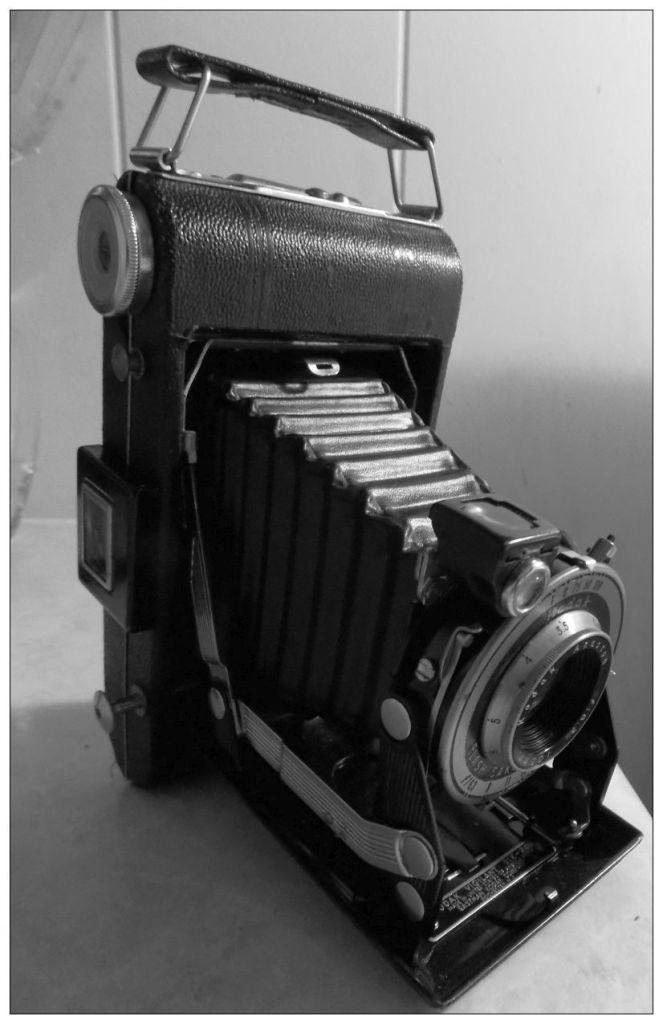
However, I am 65 years old and I was a full adult nearing middle age before the internet came to my house. For most of my life, I had a heavy, black rotary phone, drove cars without a computer chip in them, and looked for books at the library through a card catalog. We sailed our boat over 22,000 nautical miles in the Atlantic Ocean without the help of a GPS. We always found our way to port.
When the internet came, and with it email, bulletin boards, Compuserv, streaming movies, I embraced the digital, it is an incredible invention. I do love it. But it is also fraught with potential for bad, even evil. Temptations and addictions abound. Distraction, FOMO, life comparison, phone addiction, and porn are just a few of those.
Children are entering school without knowing how to have a conversation, with limited vocabulary, and non-existent attention spans. Parents using the phone or tablet as a neglect-o-meter for their children, or on the phone so much themselves, their child wanders the house aimlessly not knowing what true loving engagement is.
We all embraced it when it came along. Schools scrambled to buy chrome books and desktop computers so their students would not be ‘left behind’. The dot.Com boom helped this attitude. The old humongous TV on a rolling cart used once in a while for a documentary program was replaced by ever larger screens used for just about everything. Apps were added to student computers to use at home and increasingly, in school. Even standardized testing went digital.
What I am seeing is a trend in the world back to digital. Being 65 and having seen trends come and go- and come again- is the way of the world. I’m glad there is a movement back to analog.
Many states in the US are banning student use of cell phones during school hours. Sweden was a country that initially wholeheartedly embraced it all. But over time, the glow dwindled. We read about Sweden–
“…by 2023, Sweden’s government and educators began to voice concerns. Studies raised red flags about declining reading comprehension and concentration among Swedish students. The Swedish government officially announced it would scale back the use of digital devices in early grades, with more focus on physical books and handwriting. According to an AP News report, Sweden’s Education Minister Lotta Edholm said students “need more textbooks” and emphasized that physical books are important for student learning as the country reconsiders screen-heavy instruction.”
There is a swing among Gen Z and millennials to ‘go analog’. I’ve read more than once lately that vinyl records are surging in popularity. Young adults scour the thrift stores for record players. Apparently there comes a time when a critical mass of concerns make using digital media just not fun anymore. Recent announcements by streaming music companies that you can pay to download songs but you don’t own them have dimmed the glow of the ease of using digital media for music. Major services who offer a service but decline to allow the consumer to own the music- meaning it can be removed at any time from their platforms, include Spotify, Apple Music, YouTube Music, and Amazon Music.
When older adults fondly recall sitting snuggled on the couch with their family and reminiscing over a photo album with 35 mm pictures in them, telling stories and knitting together in love, younger adults only have the cold phone swiping photo and feel they are missing out. And they are.
Photo albums are going extinct, but is that a good thing? Photo albums are the repository of nostalgia, family stories, personal history. Pixels don’t last. Photos do. A family narrative huddled around a smartphone, looking at pictures one by one does not have the same tender qualities as the former way of creating meaning among a family unit.
There is a documentary that’s got people excited, it’s called “California Typewriter.” The documentary’s blurb goes,
CALIFORNIA TYPEWRITER is a documentary portrait of artists, writers, and collectors who remain steadfastly loyal to the typewriter as a tool and muse, featuring Tom Hanks, John Mayer, David McCullough, Sam Shepard, and others. It also movingly documents the struggles of California Typewriter, one of the last standing repair shops in America dedicated to keeping the aging machines clicking. In the process, the film delivers a thought-provoking meditation on the changing dynamic between humans and machines, and encourages us to consider our own relationship with technology, old and new, as the digital age’s emphasis on speed and convenience redefines who’s serving whom, human or machine?
DIgital media can display the best of humans, as in a GoFundMe to help a flooded out or burned out family. It can also illustrate our depravity, as some of those GoFundMe cases are revealed to be lies. People are turned off by constant AI fakery, lies, nastiness over even innocuous comments. It seems to be a quiet revolution as more people turn off their phones, swap for flip phones, retreat from social media, or just in general, quit.
“We’re seeing that a group of Gen Z [and millennials] is choosing to leave social media entirely, and probably a larger group that’s choosing just to limit social media as they regain more of what they’re trying to find: balance and security and safety in their life,” Dorsey said,” in this article, “A ‘quiet revolution’: Why young people are swapping social media for lunch dates, vinyl records and brick phones.
In this article, we see the word tangible. In other articles I’ve see the word tactile. “Gen Zers and millennials flock to so-called analog islands ‘because so little of their life feels tangible'” More and more people are choosing analog hobbies –
“They are setting down their devices to paint, color, knit and play board games. Others carve out time to mail birthday cards and salutations written in their own hand. Some drive cars with manual transmissions while surrounded by automobiles increasingly able to drive themselves. And a widening audience is turning to vinyl albums, resuscitating an analog format that was on its deathbed 20 years ago.”
I am not a prophet and I can’t say this trend will last. I hope so. I tell my students at school about ‘the old days of the 1900s’ when we played outside, rode our bikes all over, went to each other’s houses, had sleepovers, drank from the water hose, begged a dime for the ice cream truck, went to the movies on weekends for $1, and never saw a personal screen in all our lives. Their mouths drop open. They are amazed. My heart aches for them because I know what they are missing out on.
Of course in today’s world many of those activities are no longer safe or possible. But the ‘analog’ hobbies were fun. As I said, I hope this trend lasts a while, but in the end I think the world will be overrun with technology and with it, its worst qualities.
The Bible says that the future will be a one world economy, and it’s hard to see that happening without even further advancement of the digital world. The Antichrist who will seem to rise from the dead could easily be a faked AI video or a hologram. But for now, I salute those young adults who are searching for ‘analog’ connection, tactile hobbies, and a life not dominated by emotionless digital pressure but warmth of fellowship, swapped stories, and sunshine.
 the-end-time.org