Rosh Hashanah begins Sunday at sundown (6:43PM Jerusalem time). For many years, people have been saying that the rapture will likely (or as some have said, definitely) occur during the Feast of Trumpets, also known as the Jewish high holiday of Rosh Hashanah. I do not think the Jewish feasts are tied to the Times of the Gentiles because the two are distinct and mutually exclusive. (more here). However the rapture could happen at any time, so this weekend is as good a time as any. Only the Lord knows.
What IS Rosh Hashanah?
“The festival of Rosh Hashanah—the name means “Head of the Year”—is observed for two days beginning on 1 Tishrei, the first day of the Jewish year. It is the anniversary of the creation of Adam and Eve, the first man and woman, and their first actions toward the realization of mankind’s role in G‑d’s world.”
“The central observance of Rosh Hashanah is the sounding of the shofar, the ram’s horn, which also represents the trumpet blast of a people’s coronation of their king. The cry of the shofar is also a call to repentance, for Rosh Hashanah is also the anniversary of man’s first sin and his repentance thereof, and serves as the first of the “Ten Days of Repentance” which culminate in Yom Kippur, the Day of Atonement. Another significance of the shofar is to recall the Binding of Isaac which also occurred on Rosh Hashanah, in which a ram took Isaac’s place as an offering to G‑d; we evoke Abraham’s readiness to sacrifice his son, and plead that the merit of his deed should stand by us as we pray for a year of life, health and prosperity.”
The Feast of Trumpets, along with the other six festivals of the LORD, foreshadowed certain aspects of the ministry of Jesus Christ. The shofar blown on Rosh Hashanah may or may not be the trumpet blown to capture the Church up to heaven in the rapture. I do believe the rapture is incredibly close, though.
History Channel explains, “The sounding of the shofar—a trumpet made from a ram’s horn—is an essential and emblematic part of both Rosh Hashanah and Yom Kippur. The ancient instrument’s plaintive cry serves as a call to repentance and a reminder to Jews that God is their king. Tradition requires the shofar blower to play four sets of notes on Rosh Hashanah: tekiah, a long blast; shevarim, three short blasts; teruah, nine staccato blasts; and tekiah gedolah, a very long blast. Because of this ritual’s close association with Rosh Hashanah, the holiday is also known as Yom Teruah—the day of the sounding of the shofar.”
The last note for Rosh Hashanah is the Teki’ah Gedolah (very long sound) Exodus 19:16,19. It sounds like this-
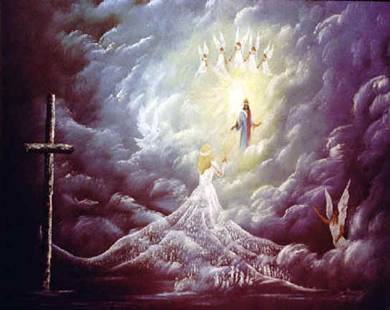
Friends, the last sound we will hear on earth will be the tekia gedolah, and the first sound we hear as glorified children of Jesus will be His call, probably something like, “Come up here!” (Revelation 4:1)
“For the Lord himself will descend from heaven with a cry of command, with the voice of an archangel, and with the sound of the trumpet of God. And the dead in Christ will rise first. Then we who are alive, who are left, will be caught up together with them in the clouds to meet the Lord in the air, and so we will always be with the Lord. Therefore encourage one another with these words.” (1 Thessalonians 4:16-17).
AMEN!!!!!!! AMEN!!!!!!! AMEN!!!!!!! AMEN!!!!!!! AMEN!!!!!!! AMEN!!!!!!!AMEN!!!!!!! AMEN!!!!!!! AMEN!!!!!!! AMEN!!!!!!!

 the-end-time.org